A company may have enough employees to run its daily operations yet lack the skills needed for a major cloud migration, a cybersecurity program, a data platform upgrade, or a product launch.
Permanent recruitment is one way to close that gap. It is not always the right answer.
Some skills are needed for a defined stage of work. Others are difficult to hire within the project timeline. In some cases, the business still needs time to decide whether the requirement will continue after the project ends.
Staff augmentation allows organizations to add external professionals to an existing team for a specific need or for a specific period. These specialists work alongside internal employees while the company keeps control of priorities, delivery, and day-to-day management.
Used well, staff augmentation provides more than additional capacity. It gives a business access to specific expertise without turning every short-term requirement into a permanent position.
Its value depends on planning. Companies need to understand which skills they require, why they need them, how external professionals will join the team, and what will happen when the engagement ends.
What Is Staff Augmentation?
Staff augmentation is a workforce model in which a company brings in external professionals to join an internal team to fill defined skill or capacity gaps.
The workers may be engaged through:
- A staffing company
- A technology consultancy
- A specialist talent provider
- An independent-contractor arrangement
- A nearshore or offshore delivery partner
The client usually directs the work, sets project priorities, manages daily performance, and integrates the professionals into its existing processes.
This distinguishes staff augmentation from fully outsourced project delivery.
With traditional outsourcing, a vendor may take responsibility for an agreed service or outcome. Under staff augmentation, the client normally retains greater control over:
- Project direction
- Work allocation
- Technical decisions
- Delivery standards
- Team communication
- Performance review
Staff augmentation can support one specialist role, a small group of professionals, or a larger extended delivery team.
Staff Augmentation Is Now a Strategic Workforce Choice
Staff augmentation was once treated mainly as a response to an unexpected workload.
A company might use it when:
- A project fell behind schedule
- An employee left suddenly
- The internal team became overloaded
- A deadline required extra developers
- Recruitment took longer than expected
These situations still occur. The model is now also used in planned workforce design.
Companies may bring in external professionals to support:
- Cloud migrations
- Cybersecurity programs
- Enterprise software implementation
- Data-platform development
- Product launches
- Quality-assurance automation
- Regulatory projects
- System integration
- Business transformation
- Temporary leadership or advisory needs
The decision is often based on the shape of the requirement.
A business may need five specialists for eight months while a platform is built, but only two employees to maintain it after launch. Hiring all five permanently could lead to unnecessary costs if the work changes. Waiting through a long recruitment process could delay the project.
Staff augmentation provides an option between those two extremes.
Skills Needs Are Evolving Faster Than Traditional Hiring Plans
The case for flexible talent is closely linked to changing skill needs.
The World Economic Forum reports that AI and big data are expected to be the fastest-growing skills through 2030, followed by networks, cybersecurity, and technological literacy. It also found that almost 40% of workers’ core skills are expected to change and that 63% of employers view skills gaps as a major barrier to business transformation.
These changes affect workforce planning in two ways.
First, organizations may need skills that are scarce in their current teams. Second, some needs may develop before the business is ready to create permanent roles.
For example, a company may need:
- Cloud architects during design and migration
- DevOps engineers, while deployment processes are rebuilt
- Security specialists during a compliance program
- Data engineers while a warehouse is modernized
- ERP consultants during implementation
- MLOps specialists while AI models move into production
Some of these capabilities may become permanent needs. Others may be most valuable during one stage of the transformation.
A well-designed augmentation strategy allows the business to obtain the skill first and make a longer-term workforce decision with better information.
Choose the Right Approach for Each Skill: Build, Hire, or Augment
Staff augmentation should not become the default response to every capability gap.
Some skills are central to the company’s long-term advantage. Those capabilities may need to remain inside the organization so that knowledge, decision-making, and leadership stay close to the business.
A practical workforce review can divide requirements into four groups.
Build internally
Internal development may be suitable when:
- The skill will remain important for several years
- Existing employees can learn it within the required timeframe
- The capability is closely tied to the company’s intellectual property
- Retaining the knowledge internally offers strategic value
Hire permanently
Permanent recruitment may make sense when:
- The requirement is ongoing
- The position carries long-term ownership
- The person will manage teams or business relationships
- The role is part of the organization’s future operating structure
Use staff augmentation
Augmentation may be suitable when:
- The project has a defined duration
- Specialist experience is needed quickly
- The volume of work will change after delivery
- Internal employees need temporary technical support
- Hiring demand is still uncertain
- The skill is difficult to find in the local market
Outsource an outcome
A managed or outsourced service may be more appropriate when:
- The company wants a vendor to own delivery
- Internal leaders cannot supervise the daily work
- The work can be defined through clear service levels
- The vendor has a mature process, so the company does not need to recreate it
This review prevents companies from using flexible staffing simply because it appears faster.
Define the Project Before Searching for People
Weak staff augmentation often begins with an unclear requirement.
A manager asks for a “cloud engineer,” “data specialist,” or “senior developer” without explaining the environment, project stage, technical problems, or expected level of ownership.
That produces broad searches and weak matches.
Before contacting a staffing partner, the company should define:
- The business problem
- The project stage
- Expected deliverables
- Required technical skills
- Preferred industry exposure
- Existing systems and tools
- Team structure
- Working hours
- Location requirements
- Security and access limits
- Engagement length
- Expected start date
- Measures of success
The brief should also separate essential experience from preferences.
A technical professional may not have worked under the exact job title requested, yet may have solved the same problem in another setting.
Strong Matching Depends on Project Context
Job titles provide a starting point. They rarely provide enough information to confirm whether someone can handle the assignment.
Consider two professionals described as cloud engineers.
The first may have:
- Migrated regulated workloads
- Designed recovery systems
- Managed identity controls
- Worked across several cloud platforms
- Led post-migration support
The second may have focused mainly on:
- Routine infrastructure maintenance
- User access
- Basic monitoring
- Small configuration changes
Both resumes may contain similar keywords. Their readiness for a complex migration varies widely.
A staffing partner should examine:
- Project scope
- Technical depth
- Tools used
- Industry setting
- Delivery ownership
- Team size
- Regulatory exposure
- Problems solved
- Results achieved
- Communication responsibilities
The same principle applies to cybersecurity specialists, data engineers, product developers, ERP consultants, automation testers, and project managers.
Matching should begin with the work that needs to be completed, not with the title the client expects to see.
Questions to Ask a Staff Augmentation Partner
A credible provider should be able to explain how it assesses and supports professionals.
Useful questions include:
- How do you translate a project requirement into candidate criteria?
- How do you verify technical experience?
- Who conducts the assessment?
- Do you use practical tests, structured interviews, or reference checks?
- How do you assess communication and client-facing ability?
- Can you provide examples of similar assignments?
- How do you manage replacements?
- What support do you provide after the person starts?
- How do you handle confidential data and system access?
- How are performance concerns raised and resolved?
- What are your pricing and notice terms?
- How do you support knowledge transfer at the end?
References are most useful when they come from clients with similar project needs, delivery models, and levels of complexity.
A long list of placements in unrelated roles offers limited evidence.
Global Talent Access Now Focuses on Capability as Much as Cost
Global hiring was often presented mainly as a way to reduce labor costs.
Cost remains part of the decision. Access to specialized skills is now just as important.
Technology expertise is distributed across many regions. A company may look outside its home market because another location offers:
- A deeper technical talent pool
- Better availability
- Stronger experience with a specific platform
- More professionals with relevant certifications
- Faster hiring
- Greater language coverage
- Extended operating hours
The strongest global staffing decision considers total delivery value rather than hourly rate alone.
That includes:
- Talent quality
- Availability
- Time-zone overlap
- Communication
- Data security
- Legal structure
- Worker classification
- Employment costs
- Management effort
- Staff turnover
- Continuity
- Knowledge transfer
A low hourly rate can prove expensive when work requires extensive correction, frequent replacement, or additional management.
Nearshore and Offshore Talent Models Address Different Business Priorities
There is no single location model that suits every assignment.
Local staff augmentation
Local professionals may be suitable when the work requires:
- Frequent in-person interaction
- Physical access to a site
- Local licenses
- Direct customer contact
- Detailed knowledge of local regulations
- Restricted system or data access
Local hiring often provides easier collaboration, but it may offer a smaller talent pool or higher cost.
Nearshore staff augmentation
Nearshore teams work from countries that are geographically or operationally close to the client.
The model can offer:
- Similar working hours
- Real-time collaboration
- Faster issue resolution
- Easier travel
- Wider talent access
- Lower cost in some markets
Nearshore arrangements are especially useful for agile development, product work, technical support, and other assignments that require frequent discussion.
Offshore staff augmentation
Offshore locations may provide:
- Large technical talent pools
- Specialist expertise
- Greater delivery scale
- Follow-the-sun coverage
- Cost advantages
- Additional capacity for defined workstreams
Time zone differences can also enable overnight processing or extended support. They require stronger handovers, documentation, and communication routines.
Blended delivery
Many organizations combine these models.
For example:
- Local leaders may make business decisions.
- Nearshore teams may handle work requiring daily collaboration.
- Offshore specialists may provide scale or extended coverage.
The correct structure depends on the work rather than on a broad preference for one region.
Cybersecurity Shows the Need for Fast Access to Specialists
Cybersecurity is a clear example of a field where capability gaps can create immediate business risk.
Microsoft reported that identity-based attacks increased by 32% during the first half of 2025. More than 97% of those identity attacks were large-scale password attacks. Microsoft also found that 52% of the attacks it observed between July 2024 and June 2025 were financially motivated.
Organizations may need rapid support in areas such as:
- Incident response
- Identity and access management
- Cloud security
- Vulnerability management
- Security operations
- Penetration testing
- Governance, risk, and compliance
- Security architecture
- Audit readiness
- Digital forensics
The 2025 ISC2 workforce research placed growing emphasis on skills, workforce agility, and organizational resilience rather than on measuring cybersecurity readiness by headcount alone.
This makes the quality of specialist knowledge more important than simply adding more people.
Staff augmentation can provide focused support while the organization recruits permanent professionals, trains internal employees, or reviews its long-term security model.
The engagement still requires strict controls. External security professionals may receive access to sensitive systems, logs, architecture, and vulnerabilities. Scope, permissions, confidentiality, and monitoring should be defined before access is granted.
Data and AI Programs Often Need Stage-Specific Expertise
Data and AI work rarely depends on one type of professional.
A successful program may require:
- Data architects
- Data engineers
- Analytics engineers
- Business intelligence specialists
- Data scientists
- Machine learning engineers
- MLOps professionals
- Data-governance specialists
- Cloud engineers
- Product managers
- Domain experts
The required mix changes as the program develops.
In the early stage, a business may need architectural and data governance support. During implementation, it may need more data engineers and integration specialists. Model deployment may require MLOps and security expertise. After launch, the permanent team may focus on maintenance, analysis, and improvement.
AI and big data lead the World Economic Forum’s list of fastest-growing skills through 2030.
This helps explain why companies may use augmentation to access specialist capability during a particular project stage rather than hiring for every role permanently from the beginning.
The business should still retain internal ownership of:
- Data strategy
- Acceptable use
- Risk decisions
- Business objectives
- Model accountability
- Data quality
- Long-term knowledge
External talent can accelerate delivery. It should not leave the organization unable to understand or govern what has been built.
Augmented Professionals Should Become Part of the Delivery Team
External specialists contribute more quickly when they understand more than just the tasks assigned to them.
They need context about:
- The business objective
- The customer or user
- The technical environment
- Current constraints
- Key stakeholders
- Delivery standards
- Decision-making authority
- Security requirements
- Measures of success
A weak model keeps external professionals at the edge of the project. They receive isolated tickets, limited information, and little access to planning discussions. This can lead to rework because they cannot see how their decisions affect the wider system.
A stronger approach integrates them into appropriate parts of the delivery process.
That may include:
- Project kick-off meetings
- Sprint planning
- Daily stand-ups
- Technical reviews
- Shared documentation
- Retrospectives
- Risk discussions
- Delivery demonstrations
- Performance feedback
Integration does not require unlimited access.
Permissions should follow the principle of least privilege. External professionals should receive the systems, data, and information needed to perform their work—no more and no less.
Structured Onboarding Keeps Projects Moving Without Delays
The contract start date does not guarantee productive work.
An external professional may spend days waiting for:
- A laptop
- User accounts
- Development environments
- Data access
- Security clearance
- Project documents
- Stakeholder introductions
- A clear work backlog
A practical onboarding plan should be prepared before the person joins.
Before the start date
Confirm:
- Contract and confidentiality terms
- Background and credential checks
- Hardware needs
- System access
- Security training
- Reporting line
- First-week schedule
During the first week
Explain:
- Project goals
- Team structure
- Technical environment
- Delivery process
- Communication channels
- Documentation rules
- Escalation routes
- Performance expectations
During the first month
Review:
- Access gaps
- Work quality
- Communication
- Workload
- Team integration
- Early deliverables
- Support needs
Onboarding should be proportionate to the assignment. A two-week specialist review does not need the same process as an eighteen-month development engagement. Every professional still needs enough context and access to contribute safely.
Strong Governance Makes Staff Augmentation Easier to Measure
Governance is the structure that explains how external talent will be managed.
Without it, even strong professionals can struggle because decision-making, priorities, and accountability remain unclear.
A basic governance framework should cover the following areas.
Roles and responsibilities
Define:
- Who assigns work
- Who reviews output
- Who approves changes
- Who handles performance concerns
- Who communicates with the provider
Reporting lines
Clarify:
- The day-to-day manager
- Technical leadership
- Client stakeholders
- Status-reporting format
- Meeting schedule
Access management
Document:
- Systems the person may use
- Data they may access
- Approval owners
- Monitoring requirements
- Access-review dates
- Removal procedures
Performance measures
Connect performance to outcomes such as:
- Milestones completed
- Quality standards
- Defect rates
- Delivery reliability
- Documentation
- Stakeholder feedback
- Knowledge transfer
Hours worked may affect billing. They do not prove that the engagement is producing value.
Escalation
Define what happens when:
- Delivery falls behind
- Quality is below standard
- Priorities conflict
- Access is delayed
- A security concern arises
- The professional becomes unavailable
- A replacement is needed
Handover
Agree in advance on:
- Documentation
- Code or configuration ownership
- Knowledge-transfer sessions
- Final access review
- Open risks
- Unfinished work
- Exit dates
Governance turns additional capacity into an engagement that leaders can review and improve.
Regulated Industries Require Strict Access Controls
Staff augmentation in healthcare, finance, insurance, government, education, and other regulated sectors requires added care.
The company may need to assess:
- Professional licenses
- Background screening
- Data-access restrictions
- Confidentiality
- Records management
- Industry training
- Audit requirements
- Location restrictions
- Client-specific controls
- Regulatory accountability
Technical ability alone is not enough.
An external professional may be capable of performing the work but still require limited access until checks, agreements, and training are complete.
The engagement should define:
- What information can the person view
- Which actions can they perform
- Who approves access
- How is activity logged
- How access is reviewed
- When access is removed
- Which records must be retained
Speed remains important. In a regulated setting, speed needs to operate within clear controls.
Remote Work Has Opened Access to a Wider Talent Pool
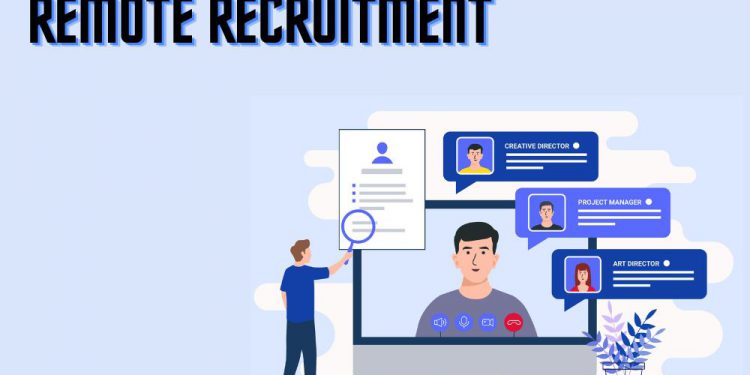
Remote and distributed work have made staff augmentation easier for many digital roles.
Stack Overflow’s 2025 Developer Survey received more than 49,000 responses across 177 countries. Among respondents who answered the work-environment question, 32.4% worked remotely, while substantial additional groups worked under hybrid or flexible arrangements. In the United States, 45% of respondents reported working remotely.
This does not mean every role can be performed effectively from anywhere. It does show that distributed work is well established across software and technology occupations.
Remote augmentation can widen access to:
- Software developers
- Data engineers
- DevOps specialists
- Security professionals
- QA engineers
- Product designers
- Technical writers
- Business analysts
- Cloud consultants
Its success depends on operational discipline.
Teams need clear agreements covering:
- Core working hours
- Meeting expectations
- Communication channels
- Response times
- Documentation
- Security
- Equipment
- Time tracking
- Escalation
- Performance review
Remote work expands the talent map. It does not remove the need for management.
Workforce Analytics Reveals Skill Gaps Before They Affect Delivery
Companies do not need to wait until a project is blocked to identify a capability shortage.
Workforce and project data can reveal:
- Skills missing from the internal team
- Roles with repeated vacancies
- Project stages that often need added support
- Workloads that exceed available capacity
- Skills concentrated in one employee
- Upcoming retirements or exits
- Training that will take longer than the project timeline
- Future technology requirements
This information allows leaders to choose between hiring, training, augmentation, and outsourcing before pressure becomes severe.
Forecasting remains imperfect. Project plans change, budgets move, and technology decisions may be delayed.
The aim is not to predict every hiring need with certainty. It is to identify likely gaps early enough to prepare a response.
That preparation may involve:
- Building relationships with staffing partners
- Pre-qualifying specialist talent
- Creating role scorecards
- Confirming rate ranges
- Preparing access and onboarding plans
- Identifying internal employees for knowledge transfer
Measure Staff Augmentation Through Business Results
Staff augmentation should be reviewed against the reason for its approval.
Possible measures include:
- Time required to add the skill
- Time to productivity
- Milestones completed
- Project delays avoided
- Work quality
- Defect or rework levels
- Internal stakeholder feedback
- Budget performance
- Knowledge transferred
- Security or compliance issues
- Replacement frequency
- Engagement extension
- Handover quality
Cost should be assessed in context.
A higher hourly rate may provide better value when a specialist completes critical work faster, reduces rework, or transfers knowledge effectively. A lower rate may offer poor value when the person requires constant support or replacement.
The relevant question is not simply “How much does this professional cost?”
It is: “What delivery result does this engagement help the business achieve?”
A Practical Staff Augmentation Checklist
Before approving an engagement, confirm the following.
Business need
- Is the requirement linked to a defined project or capability gap?
- Is the need temporary, uncertain, or permanent?
- Has internal mobility or training been considered?
- Is augmentation more suitable than outsourcing?
Role definition
- Are expected outcomes clear?
- Are essential and preferred skills separated?
- Is the project context documented?
- Is the expected level of ownership clear?
Provider review
- Has the provider delivered similar work?
- How are skills verified?
- Are references relevant?
- Are replacement and notice terms clear?
- What support is available after placement?
Integration
- Is there a named manager?
- Are systems and equipment ready?
- Will the professional join the appropriate team routines?
- Are communication and documentation standards defined?
Security and compliance
- Are screening requirements complete?
- Is access limited by role?
- Are confidentiality and data-protection terms in place?
- Is system activity recorded where required?
- Is access removal planned?
Performance
- Are milestones and quality measures agreed?
- Is feedback scheduled?
- Is escalation clear?
- Will performance be reviewed beyond hours worked?
Handover
- Is knowledge transfer required?
- Who owns the work product?
- What documentation must be completed?
- When will access be removed?
- Who will maintain the work after exit?
Staff Augmentation Delivers Greater Value When Used Strategically
Staff augmentation is becoming part of modern workforce planning because businesses need more options than permanent hiring alone can provide.
It can help organizations access scarce skills, add capacity during critical project stages, and test emerging workforce needs before committing to long-term headcount.
Its flexibility should not be confused with informality.
Successful augmentation requires:
- A clear business need
- Accurate skill matching
- Careful provider selection
- Structured onboarding
- Team integration
- Controlled access
- Defined governance
- Outcome-based measurement
- Planned knowledge transfer
The model works best when external professionals strengthen the internal team rather than operate as disconnected labor.
Companies should remain clear about which capabilities they want to own permanently and which they can add for a specific period. They should also judge providers on skill quality, delivery support, communication, compliance, and continuity—not only on cost or resume speed.
Staff augmentation is no longer only a response to an urgent vacancy. Used with discipline, it becomes a practical way to build a workforce that can adjust as projects, technologies, and skill needs change.