
Best Methods for Hiring Passive Candidates
Hiring passive candidates is different from reviewing applications. These professionals have not applied for the job and may not be looking for a new role. Recruiters need to get their attention and offer a real reason to keep talking.
Passive candidates are not always better than active applicants. Being employed does not prove someone is more qualified. Passive recruitment helps reach skilled people who might be interested in the right job but never see the ad.
To succeed, you need a clear job description, an honest pitch, good sourcing, and an interview process that respects the candidate’s time and privacy. Start by meeting the hiring manager to get details about the job’s main duties and goals. Confirm the must-have skills, experience, and qualifications. Clarify who makes decisions, who the role reports to, work setup, pay, and why the job is open. A short summary of the team, company culture, and what makes this job different can help your outreach. Technology can help organize these steps, but it cannot make a weak or unclear job more attractive.
Passive Candidates Are Not a Fixed Category
A passive candidate is generally understood as someone who is not actively applying for jobs but may consider a suitable opportunity. The definition is based on job-search behavior, not whether the person is employed. An employed professional may be applying actively, while someone taking a career break may not be looking at all.
This division is not as clear as some recruiters think. One person might be happy in their job but open to hearing about a rare leadership role. Another could be quietly looking at the market without applying. Someone else may want to move but does not want others to know.
LinkedIn calls this middle ground “open talent,” since people are not always just active or passive. Seeing candidate openness this way helps recruiters avoid making assumptions about someone’s satisfaction, urgency, or reasons for considering a change.
So, recruiters should treat the first contact as a chance to explore, not as a push to convince someone who has already decided to leave their job.
Start with an Opportunity Worth Discussing
Passive sourcing often fails before any message is sent. If the hiring manager cannot explain the job’s priorities, decision-making, reporting lines, work setup, and pay, the recruiter does not have enough to share.
Before building a search, clarify:
- The outcomes expected from the role during the first 6 to 12 months
- The skills and experience that are genuinely essential
- The requirements that are preferences rather than necessities
- The reporting structure and level of authority
- The team and resources surrounding the position
- The location, travel, and remote or hybrid expectations
- The available compensation range and benefits
- The reason the position is open
- The interview stages, decision-makers, and likely timeline
This intake step also makes the search better. Too many strict requirements can rule out people who could do the job with related experience. LinkedIn suggests reviewing must-have and preferred qualifications with the hiring manager and seeing how these choices affect your talent pool.
The opportunity does not need to be better. The job does not have to be better than the candidate’s current role in every way. It just needs a clear reason to stand out. This could be more responsibility, better career growth, more challenging work, stronger leadership, greater flexibility, a new industry, or better pay. If there is no clear reason for a qualified person to consider the position, sending more messages will not solve the problem.
Build an Employer Brand That Fits the Actual Experience
Passive candidates are being asked to leave something familiar. They will likely look closely at the employer, leadership, job, and hiring process before spending much time. The company’s website should answer real questions, not just make broad claims about culture or innovation. To build trust, share honest employee stories, show real examples of career growth, publish leadership bios with clear backgrounds, and give a look inside how decisions are made. Let employees share their experiences through unedited testimonials or day-in-the-life stories. Address common concerns openly and give a clear view of work-life and values to show credibility.
A credible employer brand should give candidates a realistic sense of the company and the role. It should explain:
- What the organization does and how the position contributes to its work
- How teams collaborate and make decisions
- What career progression looks like in practice
- How the company approaches flexibility, inclusion and employee wellbeing
- How its stated values influence everyday decisions
- What employees can expect from their managers?
- Whether the experience described online matches the recruitment process
Employee interviews, workplace videos and project stories can bring this information to life, but they need to feel genuine. A highly scripted testimonial may look impressive without telling candidates much about the workplace. Show real teams, actual working conditions and credible employee experiences. Add subtitles or transcripts to make the content accessible, and avoid making promises the organization may struggle to keep.
Most importantly, keep the message consistent. The outreach email, career site, job description, and interview should all present the same role and working environment. If candidates receive a different version at each stage, trust can disappear quickly.
Find Candidates Through Relevant and Authorized Sources
External sourcing should not begin until the recruiter has searched the organization’s existing records. Previous applicants, finalists for earlier roles, former contractors, employee referrals, company alums, and candidates who asked to be considered later may already have some familiarity with the employer.
Useful sourcing channels can include:
- The ATS or recruitment CRM
- Approved resume databases and job-board subscriptions
- Professional networking platforms
- Employee and professional referrals
- Industry associations and member directories where recruitment use is permitted
- Conferences and professional communities
- Company alums and former contractors
- Public portfolios, publications, and open source contributions relevant to the work
Choose sourcing channels based on the profession. For example, software engineers often show their skills through public technical work, while clinical, finance, or legal professionals are easier to find through associations or referrals. Searching every social network can create extra distractions and may show recruiters personal information that is not relevant. false reasons, collect member details without permission, or turn every conversation into a job pitch. These actions hurt both your credibility and the employer’s reputation.
Recruiters should also know the difference between approved sourcing and unauthorized data collection. LinkedIn says that third-party crawlers, bots, browser extensions, and other tools that copy profiles or automate actions break its rules. Its banned software rules clearly say that just because a profile is public does not mean you can copy, save, or contact the person in any way. Ignoring these rules can cause serious legal problems, like breaking data protection laws or platform rules, and harm the recruiter’s and their organization’s reputation.
Personalize Outreach
A passive candidate did not ask for a job description. Your first message should quickly explain why you are reaching out and provide enough detail for the person to decide whether they want to talk.
Effective outreach usually contains:
- The recruiter’s name, organization, and reason for making contact
- A particular aspect of the person’s experience that relates to the role
- The position’s purpose and one or two credible points of difference
- Important pragmatic details such as location, work arrangement or compensation where available
- A low-pressure invitation to a short, confidential discussion
- A clear way to decline or request no further contact
A simple first message could look like this:
Hi Maya,
I came across your profile while looking for someone with experience in supplier and contract workflows. I’m currently hiring a Procurement Systems Lead for a global manufacturing company, and your background seems relevant to the role.
The position reports to the Head of Procurement Technology and follows a hybrid working model in Hyderabad. If it sounds worth exploring, would you be available for a short, confidential call this week? I’m happy to share the responsibilities and salary range before we schedule it.
This approach gives Maya a clear reason for the contact and enough information to decide whether she wants to know more. It does not assume that she is unhappy, underpaid, or ready to leave her current employer.
Avoid finding faults with a candidate’s present company. A LinkedIn profile or online review rarely tells you what that person is actually experiencing at work. Negative comments can also make the recruiter appear unprofessional. Focus instead on what the new position genuinely offers, and let the candidate explain what might make a move worthwhile.
Keep the personalization relevant to the job. Mention a recent role, project, skill or area of experience that led you to contact the person. Leave out family details, age, photographs, health information, political views and anything else unrelated to the vacancy.
If there is no reply, send one short follow-up after about a week. If the candidate still does not respond, leave it there. Contacting the same person repeatedly through email, phone, and social media is more likely to cause irritation than interest. Record each message in the ATS and stop contacting anyone who declines or asks not to hear from you again.
Make an Impressive First Conversation
The initial discussion should show if the role and candidate are a good fit. Recruiters should explain the job, employer, reporting line, location, work setup, pay, and hiring process before asking for a full application. Candidates may not want to use a work email or device. Recruiters should confirm the preferred method of communication and keep the conversation private. They should not contact a current manager or share the conversation with the candidate’s employer without permission.
The early process should avoid unnecessary work. Requiring an update. The early steps should not create extra work. Asking for an updated resume, long forms, many interviews, or unpaid tasks before the candidate knows the job is not fair. A professional profile or a first conversation is often enough to start. Ask for formal documents only when both sides want to move forward. It means removing steps that do not improve the decision. A structured interview based on job-related criteria is more useful than repeated informal conversations that ask the candidate for the same information.
Treat Video Interviews as an Optional
Live video can help with two-way conversations without travel. It should be one option, not the only choice, since it is not always the best fit for every candidate.
One-way or recorded video interviews are different. The candidate records answers to set questions without talking to an interviewer. This can give flexible timing, but it also means the candidate cannot ask questions, may need to use new technology, and could face accessibility issues. The option to rerecord answers depends on the platform, so only promise it if you know it is available.
Organizations using digital interviews should:
- Explain whether the interview is live or recorded.
- State who will review the recording and how long it will be retained
- Tell candidates if automated analysis or scoring is used.
- Provide a contact for technical or accessibility concerns.
- Offer an appropriate alternative where required.
- Apply consistent, job-related questions and evaluation criteria.
In the United States, the Equal Employment Opportunity Commission has stated that digital interviews must remain accessible to applicants with disabilities and that employers may need to provide an accommodation or another interview method. The EEOC’s guidance on digital interviews and the ADA illustrates why convenience for the recruitment team cannot be the only consideration.
Do not use ATS to replace relationships
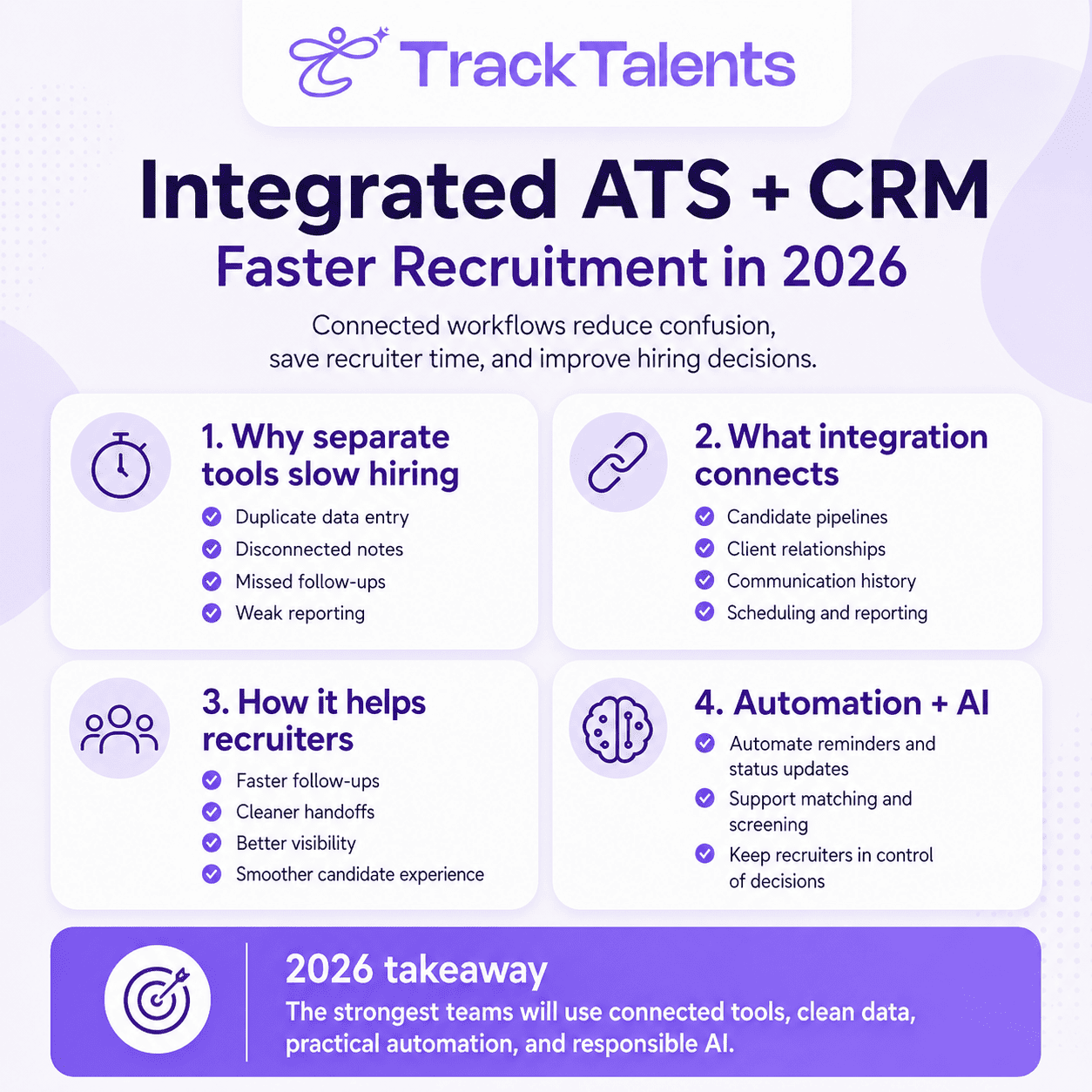
An applicant tracking system can make passive recruitment more consistent when it functions as the shared record of sourcing and communication. Recruiters can search earlier applications, record profile sources, and see whether another team member has already made contact.
A well-configured ATS or recruitment CRM can support:
- Searchable candidate profiles and previous application history
- Tags or segments based on verified professional criteria
- Records of contact preferences, availability and earlier discussions
- Reminders for agreed follow-up dates
- Links between candidates, vacancies, recruiters and clients
- Communication templates that can be personalized before sending
- Interview scheduling and status tracking
- Source, response and progression reporting
- Retention, deletion and access controls
Technology can backfire if recruiters treat passive candidates like a mailing list. Bulk emails may save time, but teams still need to pick the right people, check the data, and personalize messages. Automatic reminders should help avoid missed follow-ups, not create endless messages.
An ATS cannot tell you if a candidate is still interested based on an old resume. Someone who was a finalist before may have changed jobs, moved, or shifted priorities. Recruiters should check the information and ask before assuming past interest still applies.
Protect Candidate Data and Respect the Purpose of Collection
Passive sourcing frequently involves personal data obtained from a professional network, directory, referral, or public source rather than directly from the individual. Public availability does not remove the recruiter’s responsibility to use the information fairly, securely, and for a defined purpose.
The precise rules depend on the countries involved. Key regional data protection laws include the General Data Protection Regulation (GDPR) in the EU, the California Consumer Protection Act (CCPA) in the United States, and the Personal Data Protection Act (PDPA) in Singapore. Recruitment teams should identify the lawful basis for processing, disclose who they are, explain why the person has been contacted, record the data source, and apply a retention period. They also need a process for correction, objection, access and deletion requests where those rights apply.
The UK Information Commissioner’s Office states that organizations obtaining personal data from public sources generally still need to provide privacy information, subject to limited exceptions. Its right-to-be-informed guidance explains when that information should be provided and what it may need to cover.
Recruiters should only collect information that is relevant to the job or a clear talent pipeline. Do not add sensitive or personal details to a candidate’s record just because you see them. Only authorized users should have access, and data should not stay in the ATS forever without review.
Measure Engagement Quality
The number of profiles or messages does not show recruitment quality. Lots of activity can hide poor targeting, old data, or repeated outreach.
More useful measures include:
- Positive response rate from appropriately targeted candidates
- Percentage of replies that lead to a relevant exploratory conversation
- Progression from conversation to formal assessment
- Interview, offer and acceptance outcomes by source
- Time taken to move from first contact to a mutual decision
- Reasons candidates decline the conversation or opportunity
- Duplicate outreach, opt-outs and complaints
- Accuracy and completeness of candidate records
Recruitment numbers only make sense when viewed in context. A leadership search may attract only a few replies, but those responses could lead to valuable conversations with well-suited candidates. A high-volume campaign may generate more interest while producing fewer relevant prospects. For a fair assessment, compare similar roles, sourcing channels, and candidate groups rather than applying the same benchmark to every search.
The reasons candidates decline can be equally revealing. If several people mention an unclear salary range, inflexible location requirements, too many interview stages, or limited responsibilities, the problem may lie with the opportunity itself rather than the way recruiters present it.
A Repeatable Workflow for Hiring Passive Candidates
A controlled passive recruitment process can follow eight stages:
- Clarify the role. Agree on outcomes, essential criteria, acceptable alternatives, compensation, location, and the selection process.
- Define the target profile. Translate the requirement into job-related search terms without adding superfluous restrictions.
- Search existing records first. Review previous applicants, finalists, referrals, alums, and candidates who agreed to future contact.
- Use authorized external sources. Select professional networks, databases, and communities appropriate to the role and follow their access rules.
- Review before contacting. Confirm that the person’s experience is relevant, the information is current enough to use, and no colleague has already made contact.
- Send a concise, factual message. Explain the connection, provide meaningful role information, and invite a confidential conversation without any pressure.
- Run a two-way discovery call. Understand the candidate’s priorities, answer questions honestly, and decide whether formal assessment makes sense.
- Record the outcome and next step. Update preferences, decline reasons, follow-up commitments, and retention status. This workflow helps you reach more candidates while keeping the personal touch that makes passive outreach work.h effective.
Where TrackTalents Can Support the Process
TrackTalents publishes features that can support several parts of passive candidate recruitment. Its website lists resume management and parsing, a centralized recruitment CRM, bulk email campaigns with templates, email activity tracking, interview scheduling, and job records that connect resumes, notes, and interviews. It also describes job-board integration that allows users to search paid job boards and import resumes, subject to the relevant subscriptions and permissions. These capabilities are detailed on the TrackTalents features page.
For example, a recruiter using TrackTalents for a passive search might first review the CRM for any previous applicants or referrals that match the new vacancy. They could then use the platform’s job-board integration to identify external candidates and import their public profiles into the system. Using messaging templates, the recruiter can personalize outreach and schedule confidential calls directly from the dashboard. As candidates respond, notes from each meeting are attached to their record, and follow-up tasks are set with automatic reminders. Throughout the process, all data and communications are saved securely and linked to both the vacancy and individual talent profiles, allowing the recruiter and hiring team to follow progress and avoid duplicate outreach.
The platform helps organize candidate records, review past interactions, and manage outreach. But it cannot decide who is truly passive, why someone might want to move, or which message will get a reply. Recruiters still need to use their own judgment and information.
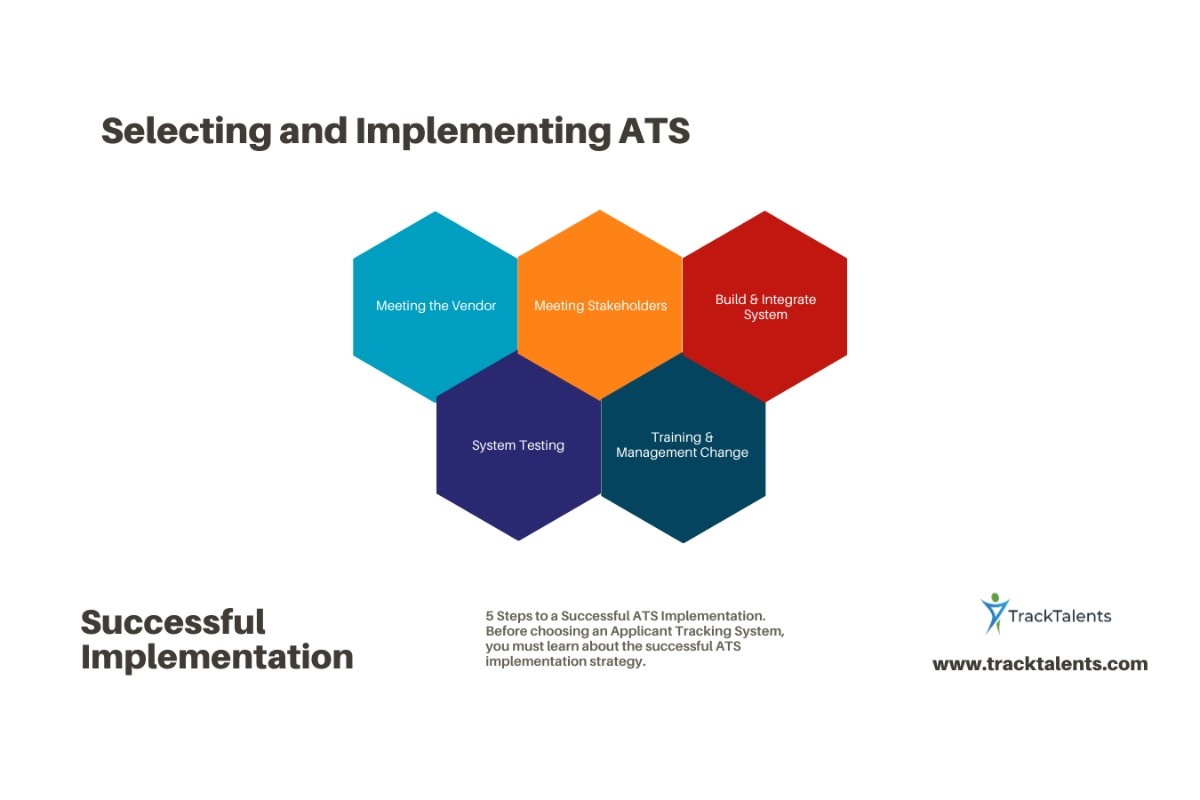
Before adopting any passive sourcing system, test it with a real vacancy. Check whether recruiters can search earlier candidates accurately, prevent duplicate contact, personalize messages, record preferences, restrict access, and report meaningful outcomes. Confirm which external connections are approved and how candidate data can be reviewed, corrected and deleted.
Hiring passive candidates workHiring passive candidates works best when the job, message, and process show respect for the person. A good ATS helps keep things organized, but the key factors are human: a job worth talking about, proof the employer can deliver, and a recruiter who is relevant, honest, and respectful.