
Social media can introduce an employer to people who may never visit its career page or search for its vacancies on a job board. That reach is useful, but it does not automatically produce suitable applicants. For example, a retail company once posted an entry-level management role on several large platforms and quickly received more than eight hundred applications. However, after screening, only a handful of candidates actually met the essential qualifications of the position. A vacancy can attract thousands of views and still deliver few candidates who meet the role’s essential requirements.
Effective social recruiting connects three parts of the hiring process: relevant content, a clear route to apply, and a system for tracking what happens next. Social platforms create awareness and conversation. The applicant tracking system (ATS) should provide a controlled application route, retain the recruitment record, and show whether a campaign produced completed applications, interviews, or hires.
This distinction changes the objective. The aim is not to publish every vacancy on every network. It is to reach the appropriate audience, provide people with enough accurate information to assess the opportunity, and bring interested candidates into a consistent recruitment process.
Social Recruiting Covers More Than Posting Vacancies
Social recruiting is the use of social networks and online communities to attract, identify, and interact with potential candidates. It can include:
- Publishing job-related content from a company page
- Sharing vacancies through employees and professional contacts
- Running paid employment advertisements
- Searching for people with relevant experience
- Contacting prospective candidates directly
- Participating in professional or location-based communities
- Promoting credible information about the organization and its work
These activities serve different purposes. Employer-brand content builds familiarity over time. A paid job advertisement is designed to elicit a response within a defined period. Personal outreach starts a private conversation with a particular person. Employee sharing extends a vacancy into professional networks that the recruitment team may not reach on its own.
Social recruiting should also be separated from social media screening. Recruiting uses social channels to find and engage people. Screening involves reviewing an applicant’s online activity as part of an employment decision. The second activity raises additional questions about relevance, accuracy, privacy and discrimination, and it requires its own policy.
Recruiters should not search a candidate’s social media accounts at will. The organization should have a written policy explaining when such a check is allowed, what information may be reviewed and why it is relevant to the job. Candidates should also be told about the check in advance.
Only the person responsible for conducting the check should see the candidate’s full social media information. Details about the candidate’s age, religion, health, family, political views or personal life should not be shared with the hiring team or influence the decision.
Keep a record of any job-related information used in the assessment and explain why it was considered relevant. Follow the privacy and employment laws of the country where the person is being hired, and update the policy when those laws or recruitment practices change.
Select Platforms Around the Role, Not Their Total Audience
A platform’s overall number of users says little about whether it can reach the people required for a particular vacancy. The better questions are where suitable candidates discuss their work, what type of content they are likely to notice, and whether the platform provides a practical route from interest to application.
| Professional, specialist, managerial and business-to-business roles | Clear vacancy posts, recruiter outreach, project stories, employee perspectives and career information | The audience for an unpaid company post may differ from the audience reached through LinkedIn Jobs or paid promotion. ATS integration also depends on the software partner and enabled package. | |
| Local recruitment, community-based hiring and roles promoted through relevant interest or location groups | Concise vacancy information, local workplace content, hiring-event updates and paid employment ads | Follow group rules and check the advertising requirements that apply to employment campaigns. | |
| Employers with useful visual evidence of the workplace, team or work itself | Short videos, employee-led content, project examples, day-in-the-role material and visual vacancy summaries | A visually attractive post still needs a direct link or simple route to a complete, accessible job page. | |
| Specialist communities | Technical, creative, professional or sector-specific vacancies | Useful discussion, subject-specific content and carefully placed role information | Communities often resist repeated self-promotion. Recruiters need to participate credibly before advertising. |
| Employee networks | Hard-to-reach specialisms, referrals and roles for which employees have relevant professional contacts | Personal introductions to the vacancy and realistic accounts of the work | Participation should be voluntary, and employees need accurate information before they share a role. |
The most effective channels will depend on the role, level of experience, location and number of people being hired. A hospital recruiting nurses locally might use regional job boards, nursing-school partnerships and relevant Facebook groups to reach candidates who live nearby and hold the required licenses. A software company searching for a security engineer may have better results through LinkedIn, specialist technical communities and industry groups where security professionals exchange knowledge and discuss opportunities. A retailer preparing for seasonal demand could combine high-volume job platforms, employee referrals and location-based social advertising to attract candidates for specific stores. The channel should reflect where suitable candidates are genuinely likely to search, connect and respond.
Begin with one or two well-chosen platforms and assess them against the same hiring measures, such as completed applications, suitable candidates and interview progression. Add more channels only when the recruitment team has the capacity to produce relevant content, respond to inquiries, and properly evaluate results.
Build the Application Route Before Promoting the Vacancy
A social post is an introduction to a job, not a substitute for a complete job description. Before publishing it, confirm that the linked vacancy page gives candidates the information they need:
- A recognizable job title
- The location and work arrangement
- The employment type
- The main responsibilities
- Essential and preferred requirements shown separately
- Salary or pay information where required by law or corporate policy
- Relevant benefits and working conditions
- An outline of the selection process
- The closing date, if there is one
- An accessible and mobile-friendly application route
LinkedIn’s guidance on job postings similarly recommends straightforward titles, clearly defined responsibilities, compensation and benefits, information on flexibility, and a mobile-friendly layout. The details should stay consistent across the social post, career page, ATS application form and recruiter conversations.
Each social post can then focus on the few facts most likely to interest the intended audience. A post for an experienced procurement professional might lead with the program scope and decision-making responsibility. A local warehouse vacancy may need to make the shift pattern, site location and employment type immediately visible. Changing the emphasis is reasonable; changing the facts is not.
The application link should lead to the specific role rather than a general careers homepage. Candidates should not have to search for the vacancy again after indicating interest. Before launch, test the link on a mobile device, submit a sample application and confirm that the candidate receives an accurate acknowledgment.
Give Candidates Evidence, Not a Polished Culture Claim
Phrases such as “excellent culture,” “dynamic team,” and “unlimited growth” provide little information because almost any employer can use them. Social content becomes more credible when it shows what the job entails.
Useful subjects may include:
- How a team organizes its work and makes decisions
- What a recent project required from different roles
- How managers give feedback or set priorities
- What an induction or training program includes
- How flexible, hybrid or site-based work operates in practice
- Which career moves have employees made, and what enabled them?
- What candidates can expect during assessment and interviews?
Employee interviews, short workplace videos and project accounts can make these details easier to understand. They should reflect ordinary working conditions rather than a staged version of the workplace. If a benefit, career path or flexibility arrangement applies only to certain roles or locations, the content should say so.
Consistency is especially important. Candidates compare what they see on social media with the job description, review sites, recruiter messages and interview conversations. A content campaign can generate interest, but it cannot repair a recruitment process that gives conflicting information.
Employee Advocacy Needs Choice and Accurate Information
Employees can introduce a vacancy to relevant professional and personal networks, but asking everyone to copy the same promotional message usually produces flat, repetitive content. It may also reach a narrow audience if the existing workforce and its networks are similar.
Give employees a small, accurate sharing pack instead. It might contain the approved job link, a short role summary, location, closing date, a suitable image and the recruitment contact. Employees can then add a genuine reason why the role may interest their contacts. They should not be asked to make promises about selection, pay, flexibility or progression that the recruitment team has not confirmed.
Referral and employee-sharing activity should complement broader sourcing, not replace it. In the United States, for example, the Equal Employment Opportunity Commission warns that recruitment practices can be discriminatory when they exclude people because of protected characteristics; it specifically notes that reliance on word-of-mouth recruitment can create problems when it produces an unusually homogeneous applicant pool. The underlying principle is useful in any market: review who a channel reaches rather than assuming that a personal recommendation is automatically neutral. EEOC guidance covers both job advertising and recruitment practices.
To put these principles into regular practice, HR teams can:
– Consistently review the diversity of applicant pools for each vacancy and channel.
– Make sure that referrals and employee-sharing are supplemented by outreach to wider audiences.
Keep track of where candidates found the vacancy. If a particular recruitment channel repeatedly reaches only a narrow group of people, consider using additional sources.
Make it clear in every job advertisement that candidates will be considered fairly, regardless of their background.
Train everyone involved in referrals and hiring to assess candidates on their skills and job-related qualifications rather than personal assumptions.
Connect Social Activity With the ATS Workflow
Without a common system, applications can become scattered across direct messages, personal email accounts, spreadsheets, and platform inboxes. That makes follow-up inconsistent and leaves the recruitment team with a weak record of which candidates came from.
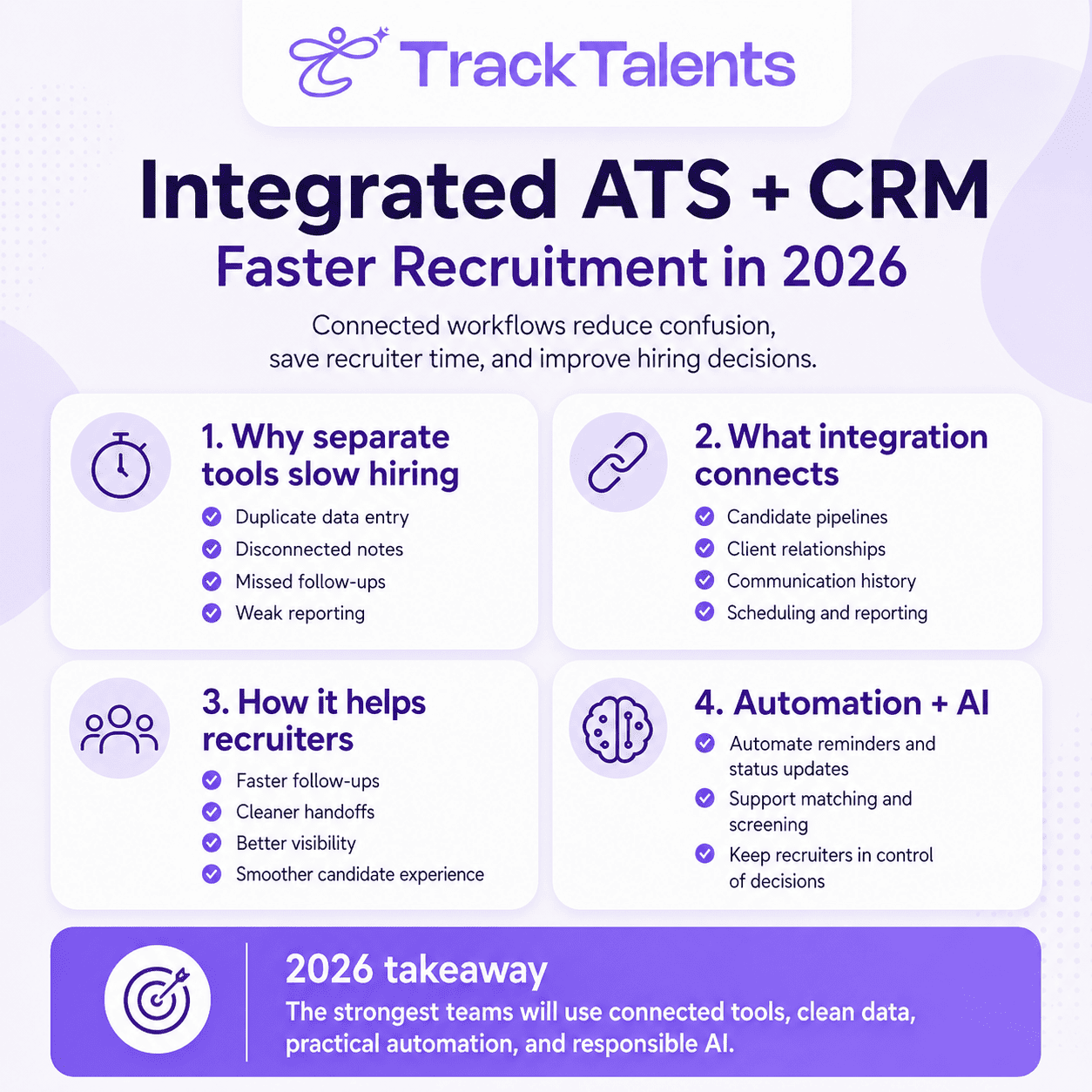
An ATS can connect social interest with the formal hiring process, although the exact functions vary by product and integration. Depending on the configuration, it may:
- Publish or share an approved vacancy through connected channels.
- Generate a job-specific application link.
- Record an applicant’s source or campaign.
- Store the application against the correct vacancy.
- Identify an existing candidate record.
- Move applicants through a defined review process.
- Retain recruiter notes and communication history.
- Report how candidates from each source progressed.
- Close or update the vacancy across connected destinations
Direct integration can go further than posting a link. LinkedIn, for example, documents ATS integrations that may support job synchronization, candidate export, application management, and combined source or funnel reporting. It also makes clear that available functions depend on the ATS partner and the integrations enabled by the employer. LinkedIn’s ATS integration guidance explains these differences.
For organizations that do not have an advanced ATS or direct platform integrations, simple tracking methods can still be effective. Teams can use spreadsheets or hand-tracking fields to record where each applicant came from by assigning unique source codes or links to each social channel. While this approach may require more hands-on effort, it helps ensure source data is captured and supports later evaluation of which campaigns or networks delivered the best results.
A native social integration is useful, but it is not the only way to run a controlled campaign. If a platform cannot post directly from the ATS, the team can still create a unique, trackable link for each channel and direct every applicant to the same job page. This preserves the central application record while allowing the wording and creative format to suit the platform.
Automated job posting still needs human oversight. Assign someone to verify that the vacancy information appears correctly, that application links work, and that posts follow the platform’s rules. The person should also remove or update advertisements when a position closes. An ATS can publish the information it receives, but the recruitment team remains responsible for making sure that information is accurate, clear, and suitable for the intended candidates.
Know the Difference Between Organic Posts and Paid Job Ads
Creating a social media account costs nothing, but recruiting through it still requires time and effort. Someone must write the posts, respond to candidate questions, review applications and check whether the campaign is attracting suitable people.
Organic posts do not involve advertising fees, but their reach depends on the organization’s existing followers, employee networks and how widely the platform chooses to show the content. Paid job advertisements cost money but allow employers to reach a more deliberately selected audience, subject to the platform’s employment-advertising rules.
Organic content is well suited to sustained employer visibility and ongoing community participation. It can also support a vacancy when the organization already has a relevant audience. Paid advertising allows more deliberate campaign planning, but employment ads may be subject to additional rules.
Meta, for example, requires advertisers to identify campaigns that promote or link directly to employment opportunities where its employment-ad rules apply. Its guidance states that such campaigns may need to use a Special Ad Category, which affects the available audience options. Recruiters should check the current platform policy and local employment law rather than treating consumer-product targeting practices as suitable for recruitment. Meta provides specific guidance for employment advertisements.
Budget decisions should be based on hiring outcomes, not the lowest cost per click. Cheap traffic that produces incomplete or unsuitable applications can consume more of a recruiter’s time than a smaller, better-aligned campaign.
Measure What Happens After Candidates See the Post
Likes, impressions, followers, and video views show that people noticed the content. They do not show whether the campaign attracted suitable candidates. To judge its real value, follow what candidates do after seeing the post.
A useful sequence is:
- People reached: How many times was the post shown?
- Job-page visits: How many people clicked the vacancy link?
- Applications started: How many began the application form?
- Applications completed: How many submitted the form?
- Suitable applications: How many applicants met the essential requirements?
- Interviews: How many progressed to an interview or assessment?
- Offers and hires: How many received an offer, accepted it, and joined the organization?
Compare the results at each stage to identify where the campaign is losing candidates. A post that receives plenty of views but very few clicks may not explain the opportunity clearly or reach the right people. If candidates open the application form but leave without submitting it, the process may be too long, confusing, or difficult to complete. If applications are high but most candidates lack the required qualifications, review both the audience targeting and the way the job requirements are described.
Review performance separately for each role and recruitment channel. A platform that attracts suitable graduates may produce weak results for an experienced finance position. Completed applications, suitable candidates, interviews and hires usually provide a clearer picture than likes or impressions.
Applicant-source reports do not always show the full journey. A candidate might discover a vacancy on LinkedIn, visit the employer’s website later and apply through the career page. Another person may apply after receiving the link from a friend or colleague. In both cases, the ATS may record only the final application channel. Source reports are useful for identifying general patterns, but they may not reveal every point that influenced a candidate’s decision to apply.
Make Social Conversations Part of the Candidate Experience
Comments and direct messages often contain practical questions about location, shifts, eligibility, application status, or the closing date. Leaving those questions unanswered weakens the campaign and may cause candidates to rely on inaccurate replies from other users.
Assign responsibility for monitoring each active channel. Give the person approved information, a response-time expectation, and an escalation route for questions about pay, accommodation, immigration, accessibility, or employment terms.
Move personal discussions into an appropriate private channel and direct applicants to the official application process. Recruiters should not ask candidates to post contact details, résumés or sensitive information in public comments. Where impersonation or recruitment fraud is a recognized risk, state which domains and accounts the organization uses and make clear whether it ever requests payment from candidates.
An automatic confirmation reassures candidates that their application has been received, but it should be clearly presented as an automated message. It should also explain the next stage of the recruitment process and provide an honest timeframe for when candidates can expect an update.
Keep Attraction Separate From Social Media Vetting
Recruiters naturally encounter personal information on social platforms. A profile may reveal age, religion, disability, family circumstances, political opinions or other details that do not establish whether someone can perform the job. Using such information informally can introduce bias and create a record that is difficult to defend.
If social media checks form part of pre-employment vetting, the organization should define:
- The specific role-related risk the check addresses
- Which candidates and recruitment stage it applies to
- The criteria used to decide relevance
- Who performs the check and who receives the result
- How candidates are informed
- How disputed or inaccurate information is processed
- What is recorded and how long it is retained
The UK Information Commissioner’s Office advises employers that checking a candidate’s public social profiles must be necessary, proportionate and transparent. It also recommends separating the person conducting the research from those making the recruitment decision, because a social profile is likely to reveal irrelevant information. The guidance cautions that online information may be inaccurate and should not be used alone to decide suitability. The ICO’s pre-employment vetting guidance explains these safeguards.
Requirements differ between countries and, in some places, between states or provinces. Recruitment teams should review the employment, privacy, advertising and background-check rules that apply to each hiring location. Platform settings do not replace the employer’s own compliance responsibility.
Use a Controlled Pilot Before Expanding the Campaign
A repeatable social recruiting process can begin with one representative vacancy:
- Define the essential requirements, likely candidate audience, and campaign outcome.
- Select one or two channels with a clear reason for using each.
- Create the approved job record and application page in the ATS.
- Prepare channel-specific posts without changing the underlying job facts.
- Assign responsibility for publishing, candidate questions, and application review.
- Use a distinct source or campaign link for every channel and post variation.
- Review clicks, completed applications, requirement alignment, and progression at agreed intervals.
- Record what changed, why it changed, and whether the result improved.
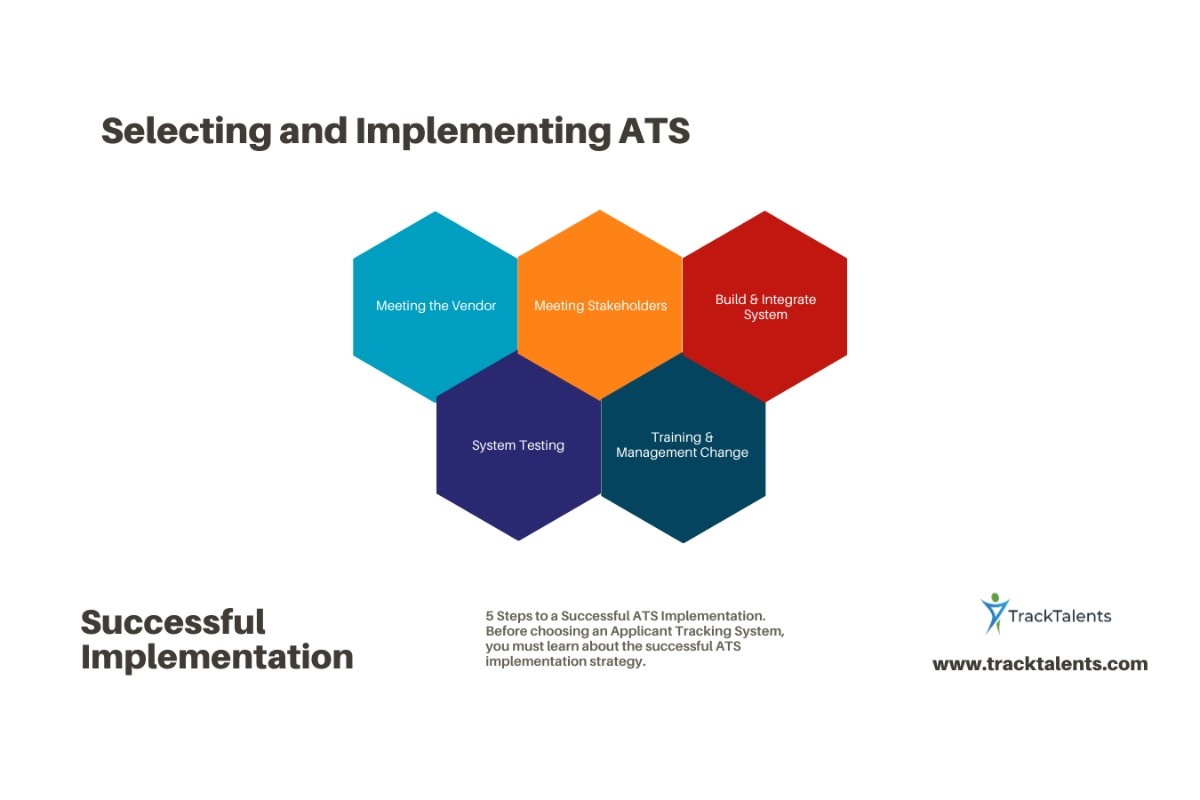
TrackTalents can bring several parts of this process into one system. Recruiters can create or import vacancies, post them to multiple free job boards and keep résumés, notes and interview details connected to the correct role. Other applicant tracking systems offer similar job-management functions. Smaller teams can also follow the same process using organized spreadsheets and a different application link for each recruitment channel, although manual tracking becomes harder as application volumes increase.
Before using any ATS for social recruitment, confirm which platforms connect directly with the system, how applicant sources are recorded, who can access candidate information and what reports are available. Integration options can vary by provider, subscription and platform, so they should be tested rather than assumed.